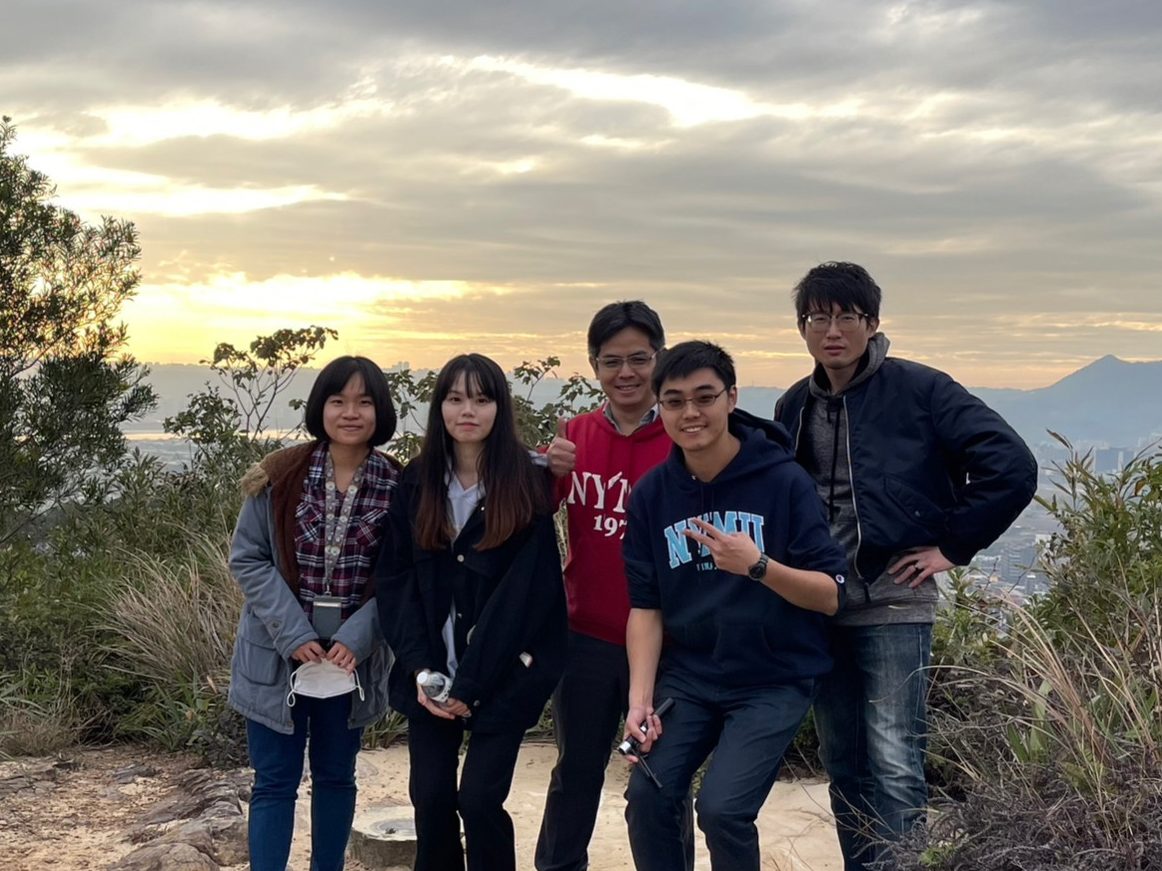
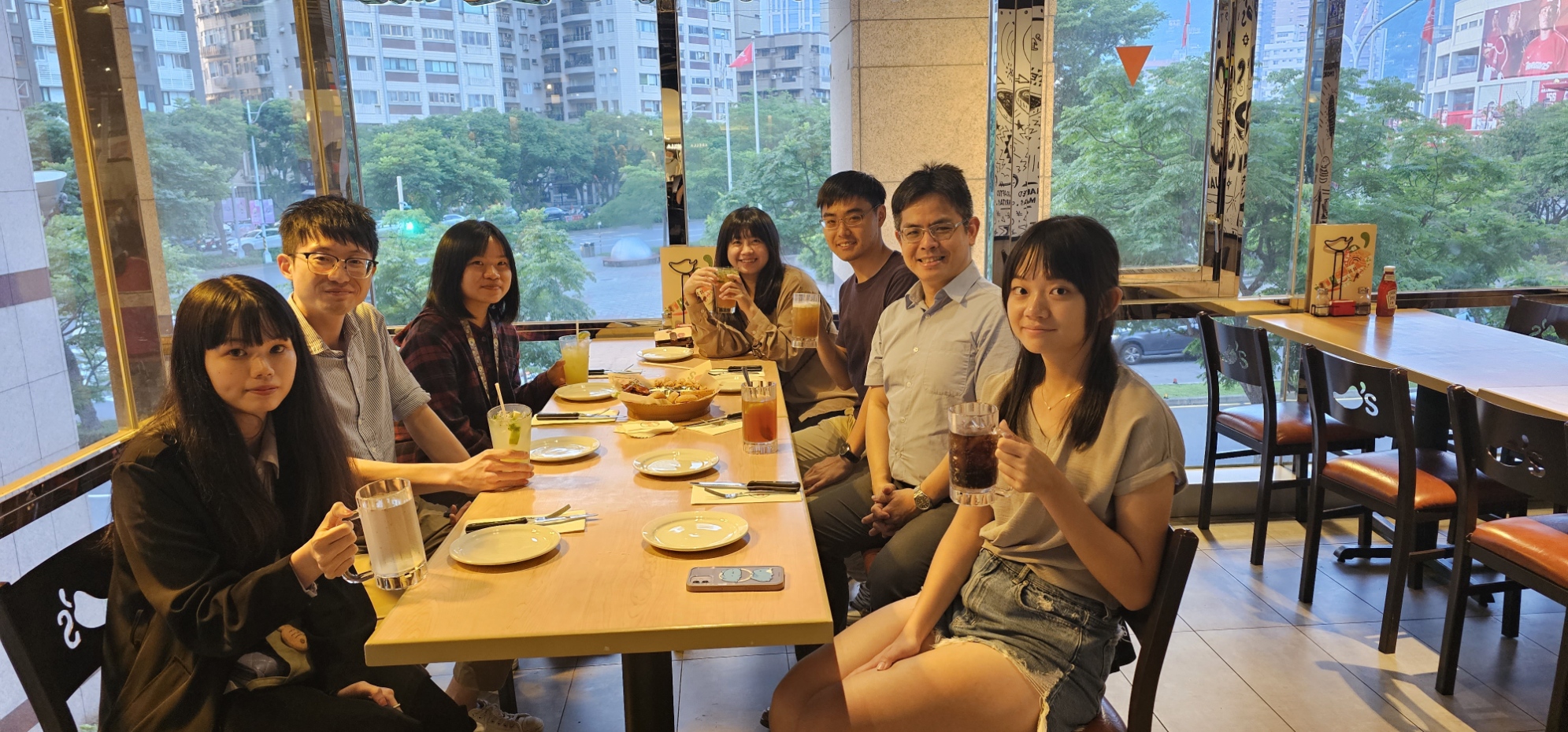
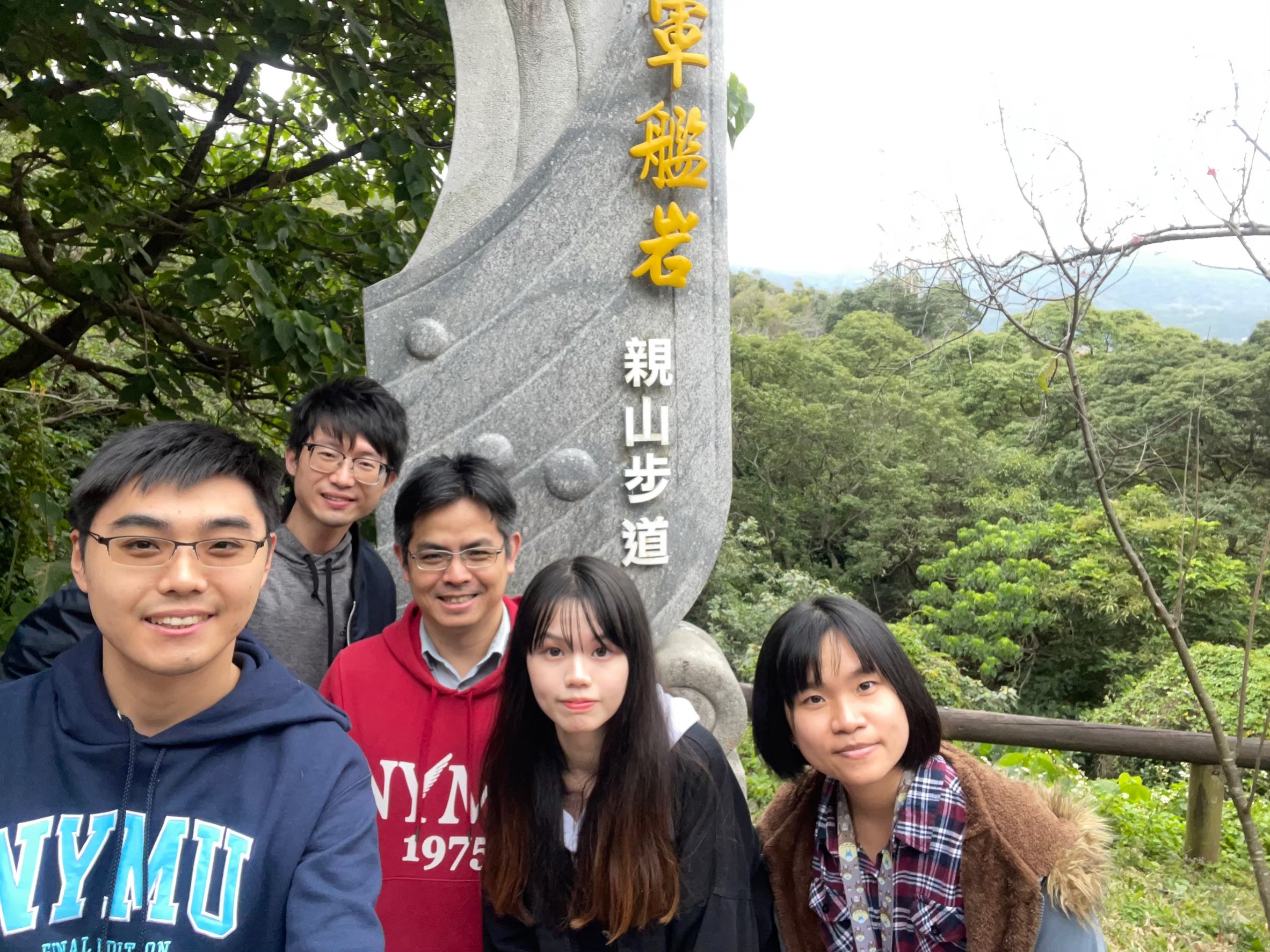
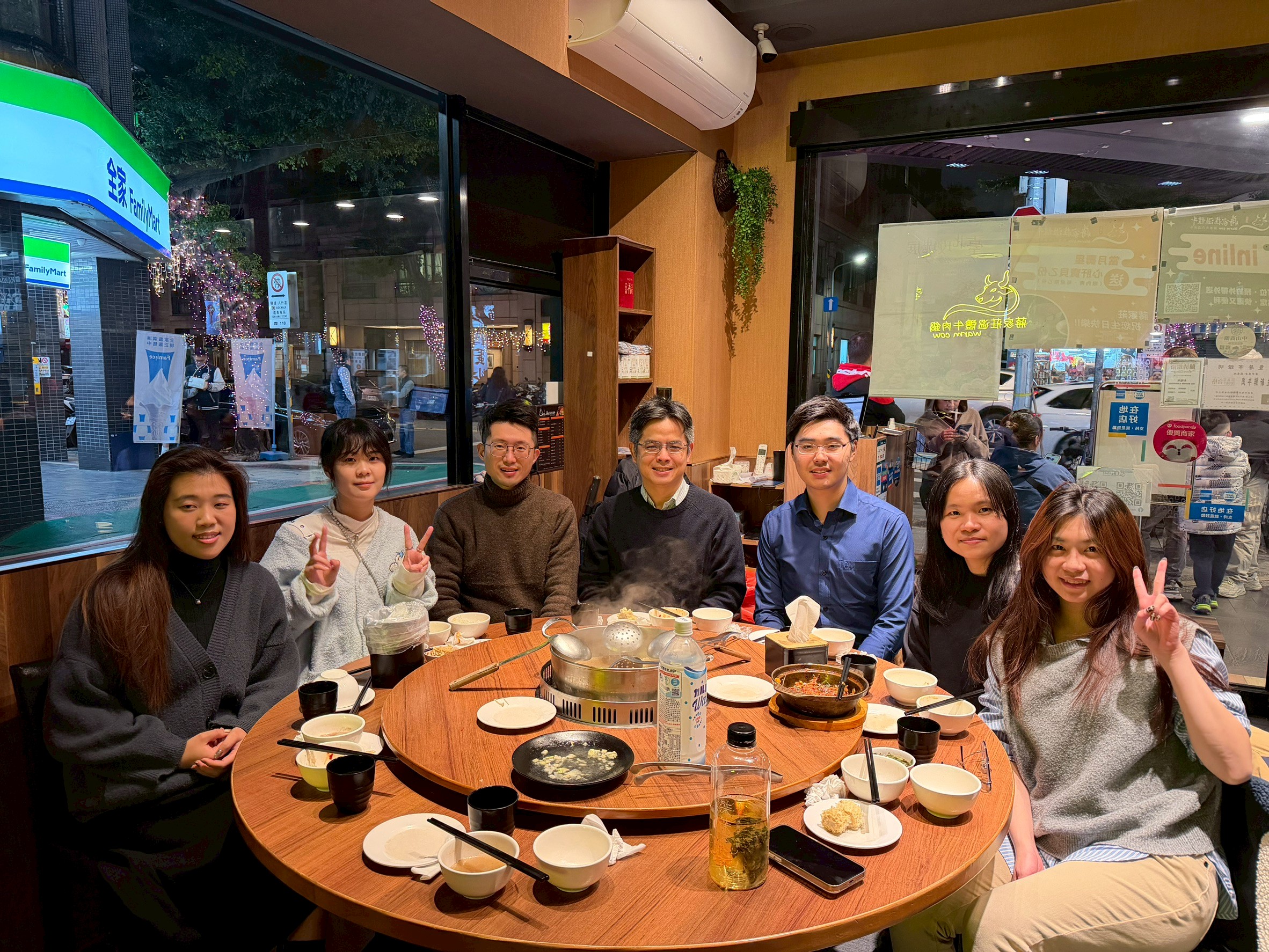
Lab group, February 2023 Lab group, June 2023 Dr. Jiun-I Lai
01 / 03 The team · Feb 2023
Jiun-I Lai Laboratory · NYCU Institute of Clinical Medicine Taipei · est. 2019

Cancer biology
meets precision medicine.

Focus Hormone-positive breast cancer
Approach Chemical biology · functional genomics · proteomics
Affiliation NYCU & Taipei Veterans General Hospital
Introduction

A lab built around an unmet clinical need.

Hormone-positive breast cancer (HR+) accounts for roughly 70% of all breast cancer diagnoses. Despite the success of CDK4/6 inhibitors as a chemotherapy-free standard of care for metastatic disease, resistance eventually emerges in nearly every patient — and the mechanisms remain incompletely understood.

Our lab investigates therapeutically relevant molecular pathways that drive this resistance. Combining small-molecule kinase inhibitor screens with functional genomics and proximity-labeling proteomics, we uncovered an unexpected interplay between the Hippo pathway and the transcriptional kinase CDK7 — one that may reverse resistance to CDK4/6 inhibition in HR+ breast cancer.

We are clinicians and scientists. Every project is shaped by the questions we cannot yet answer in clinic.

3
Active research
programs
27+
Peer-reviewed
publications
7
Current lab
members
The thesis

Resistance is not a wall.
It is a map of the next target.

PI
Jiun-I Lai, M.D., Ph.D.
賴峻毅
Lab
Institute of Clinical Medicine, NYCU
Clinic
Taipei VGH — Comprehensive Breast Health Center
Recent
postMONARCH · JCO 2024 · Clin Epigenetics 2025
Current programs 03 active projects

What we're working on, right now.

01 ─ CDK7 × Hippo

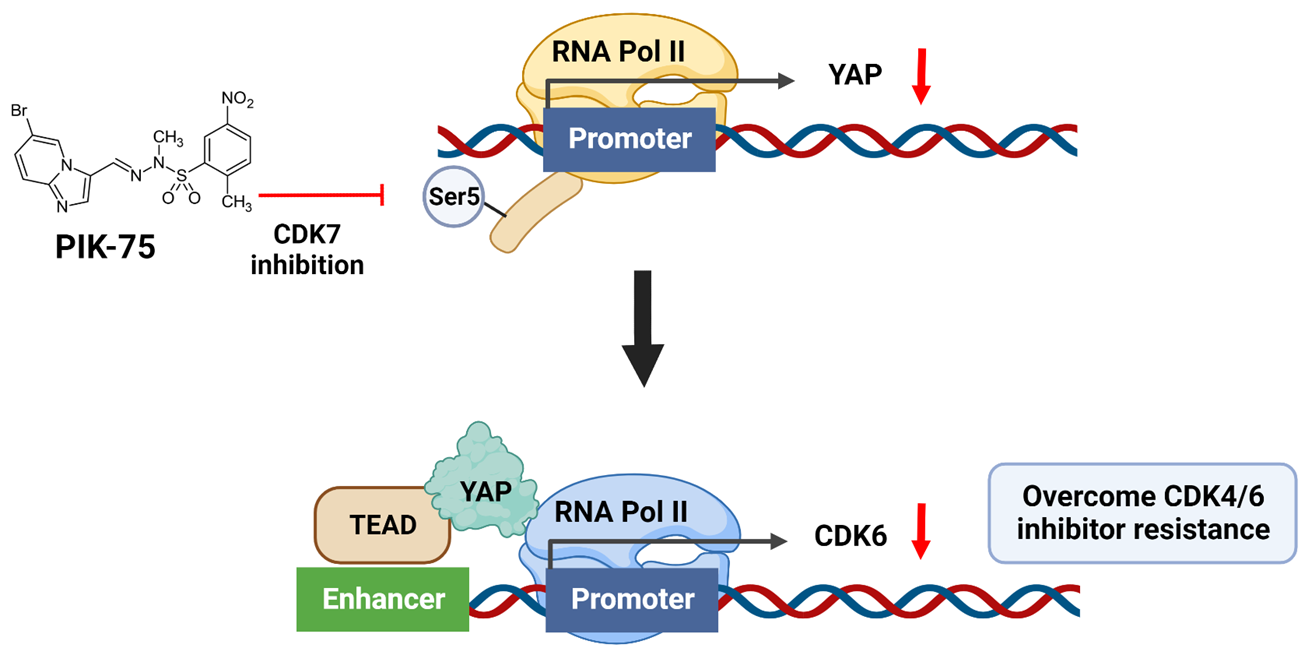
CDK7 inhibition reverses CDK4/6 resistance through the Hippo pathway.

A small-molecule kinase screen combined with functional genomics revealed a previously unknown link between CDK7 and the Hippo pathway. We are dissecting the mechanism using BRET, structural biology, and engineered CDK6 mutants to understand how CDK7 inhibition reverses resistance in HR+ breast cancer.

Presented at AACR 2023 — poster available here →
HR+ breast cancer CDK7 Hippo / YAP-TAZ Chemical biology
CDK7 / Hippo pathway figure
Fig. 1 — pathway schematic
02 ─ Proximity proteomics

Mapping the CDK6 interactome to find the next escape route.

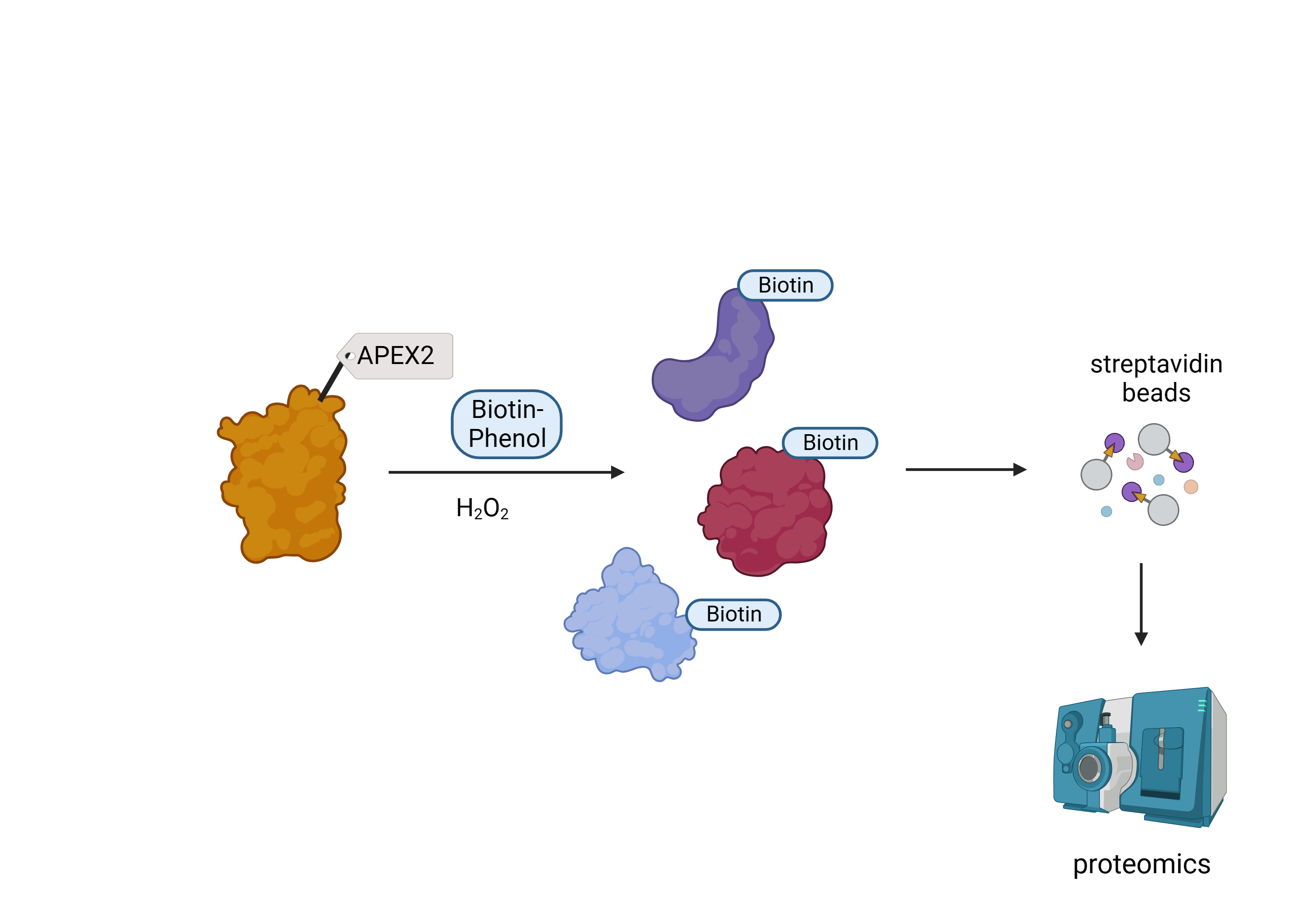
We discovered a CDK6 mutation (D224Y) that confers resistance without altering inhibitor binding — pointing to undiscovered downstream mechanisms. Using APEX2 proximity labeling and mass spectrometry, we are systematically mapping CDK6's binding partners in wild-type and mutant states.

Chung et al. identified the 14-3-3 protein YWHAB as a mediator of CDK4/6 inhibitor resistance — manuscript under revision.

CDK6 D224Y APEX2 / proximity labeling YWHAB Mass spec proteomics
Proximity labeling proteomics figure
Fig. 2 — APEX2 workflow
03 ─ ADC mechanisms

How antibody-drug conjugates actually get inside the cell.

ADCs have reshaped chemotherapy in HER2-positive and HER2-low breast cancer — but the cellular machinery that governs their internalization is poorly characterized. We are applying proximity labeling to discover the factors and mediators that modulate ADC endocytosis, with the goal of predicting and overcoming resistance before it becomes clinical.

HER2 / HER2-low Antibody-drug conjugates Endocytosis Translational
ADC mechanism figure
Fig. 3 — ADC trafficking
Let's talk

Interested in collaborating, joining the lab, or just talking about breast cancer biology?

In partnership with NYCU · Taipei Veterans General Hospital · Comprehensive Breast Health Center